Introduction
Home inspection tools are the backbone of every accurate and professional property evaluation. Without the right home inspection tools, inspectors risk missing hidden defects, safety hazards, and structural issues that are not visible during a basic walkthrough. These tools improve accuracy, speed, and reporting quality.
Modern inspections depend heavily on both basic and advanced home inspection tools such as flashlights, moisture meters, electrical testers, thermal cameras, and digital reporting systems. These tools allow inspectors to document conditions clearly and support findings with evidence.
In this guide, you will learn the most important home inspection tools, how they are used in real inspections, how to choose the right equipment, and how to build a complete toolkit based on your experience level.
Why Home Inspection Tools Matter in Modern Inspections
Home inspection tools are not just accessories—they directly affect the quality of inspection results. With the right tools, inspectors can detect moisture intrusion, electrical faults, insulation gaps, and structural concerns that would otherwise go unnoticed.
Another major role of home inspection tools is documentation. Clear photos, measurements, and readings help create reliable reports that clients, contractors, and property owners can trust. This reduces disputes and improves decision-making.
In modern inspections, tools also improve safety. Inspectors often work in attics, crawlspaces, and rooftops where proper equipment reduces risks and prevents accidents.
Essential Home Inspection Tools Every Inspector Needs
Every inspector must start with a core set of home inspection tools that support daily fieldwork. These tools are used in nearly every inspection regardless of property type.
Flashlight or Headlamp
A flashlight is one of the most critical home inspection tools. It helps inspect dark areas such as basements, attics, crawlspaces, and utility rooms. A headlamp improves efficiency by keeping hands free.
Without proper lighting, even experienced inspectors may miss visible defects. That’s why carrying a backup flashlight is also recommended.
Smartphone or Digital Camera
A smartphone is a modern essential among home inspection tools. It is used to capture photos, record defects, and document property conditions in real time.
High-quality images help support inspection findings and provide clear visual evidence for clients. Wide-angle shots show location context, while close-ups highlight defects.
Tape Measure or Laser Distance Tool
A tape measure helps document damage size, room dimensions, and repair scope. This is one of the simplest but most useful home inspection tools.
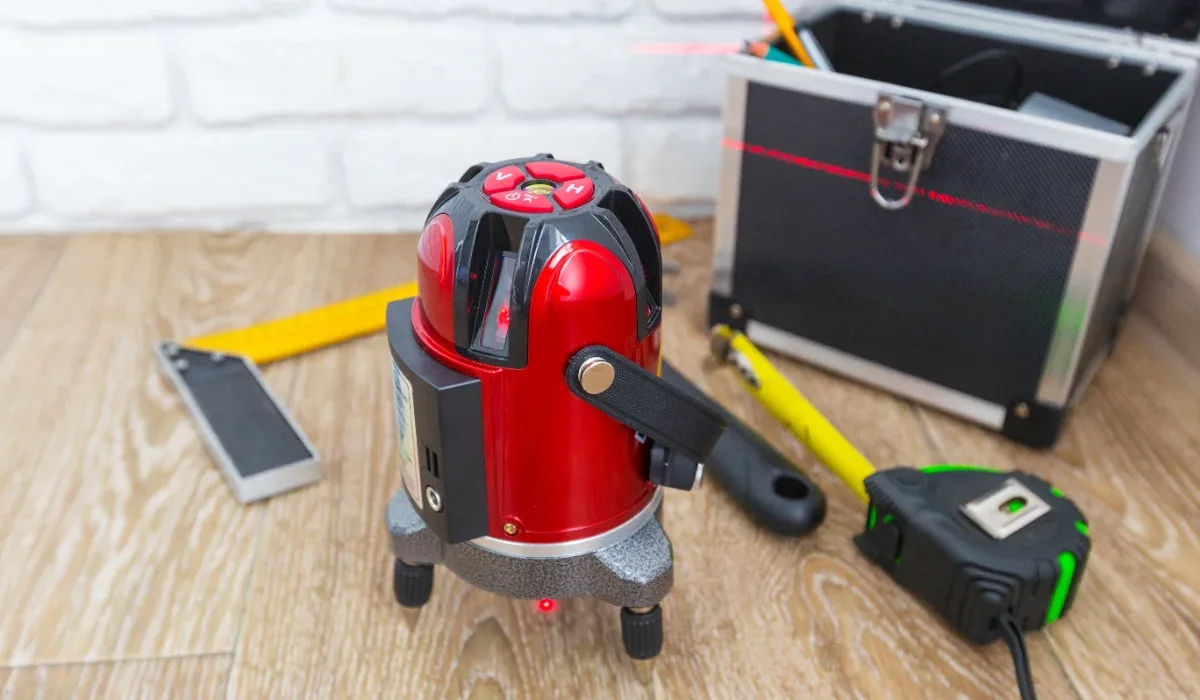
Laser distance tools are more efficient for larger rooms and exterior measurements, improving speed and accuracy during inspections.
GFCI Electrical Tester
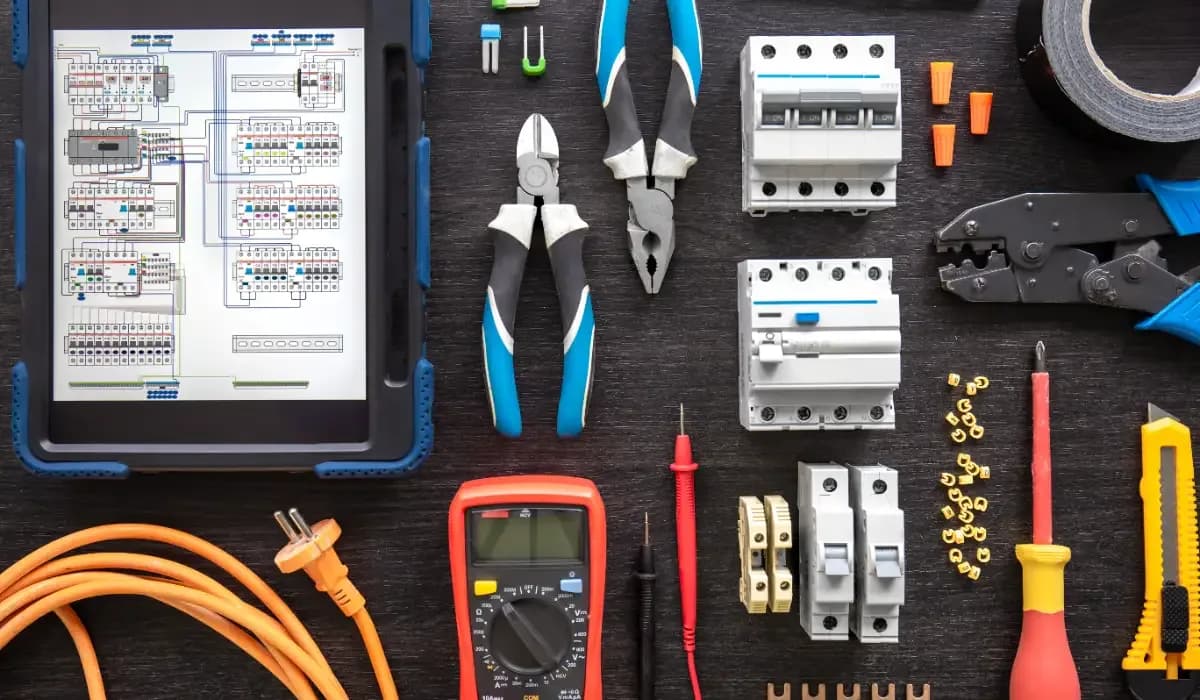
Electrical testers are essential home inspection tools used to check outlets and ground fault circuit interrupters. They help identify wiring issues and electrical safety concerns quickly.
These tools are widely used because they are simple, fast, and effective for basic electrical safety checks.
Moisture Meter
A moisture meter is one of the most important home inspection tools for detecting hidden water damage. It helps identify leaks, damp materials, and potential mold risk areas.
It is commonly used in bathrooms, kitchens, basements, and around windows where moisture issues are more likely to occur.
Electrical Home Inspection Tools and Equipment
Electrical systems require specialized home inspection tools to ensure safety and accuracy during inspections.
Non-Contact Voltage Tester
A voltage tester helps determine whether electrical current is present without direct contact. This improves safety when inspecting outlets, wires, or panels.
It is especially useful in older homes where wiring conditions may be uncertain.
AFCI and Advanced Electrical Testers
Advanced electrical home inspection tools can test arc-fault and ground-fault protection systems. These tools are typically used by experienced inspectors who need deeper electrical analysis.
They provide more detailed insights compared to basic outlet testers.
Moisture and Thermal Home Inspection Tools
Moisture and thermal tools help uncover hidden issues that are not visible during a standard inspection.
Infrared Thermal Camera
A thermal camera detects temperature differences in walls, ceilings, and floors. This helps identify insulation gaps, air leaks, and HVAC inefficiencies.
It is one of the most powerful advanced home inspection tools but requires proper training to interpret results correctly.
Infrared Thermometer
An infrared thermometer measures surface temperature and supports HVAC and plumbing assessments. It is one of the most practical home inspection tools for quick temperature readings.
It is commonly used on vents, water heaters, and electrical components.
Roof and Exterior Home Inspection Tools
Roof and exterior inspections often require tools that improve visibility and safety.
Ladder
A ladder is a traditional home inspection tool used to access roofs, gutters, and elevated structures. It must always be used with safety precautions.
Many inspectors now prefer alternative tools when roof conditions are unsafe.
Binoculars
Binoculars allow inspectors to view roofs and chimneys from the ground. This reduces risk while still providing useful visual detail.
They are simple but effective home inspection tools for exterior inspections.
Drone Technology
Drones are modern home inspection tools used for capturing aerial roof images safely. They are especially useful for steep or inaccessible roofs.
They also improve reporting quality with high-resolution visuals.
Plumbing and HVAC Home Inspection Tools
Plumbing and HVAC systems require tools that measure performance and detect hidden issues.
Water Pressure Gauge
A water pressure gauge measures PSI levels in plumbing systems. It helps identify low or excessive water pressure conditions.
This tool is simple but provides valuable diagnostic information.
Gas Leak Detector
Gas detectors are important home inspection tools used to identify leaks in appliances and piping systems. They improve safety during inspections.
They are especially important in homes with gas heating or cooking systems.
Safety Equipment for Home Inspectors
Safety is a critical part of using home inspection tools effectively. Without proper PPE, inspections can become risky.
Gloves and Safety Glasses
Gloves protect against sharp objects and debris, while safety glasses protect eyes from dust and particles.
These are basic but essential safety-focused home inspection tools.
Respirator Mask
Respirators are used in areas with dust, mold, or poor air quality. They help protect inspectors from airborne hazards.
Proper use is important for safety in crawlspaces and attics.
Protective Footwear
Strong boots reduce slip and fall risks during inspections. Good traction is essential when walking on roofs or uneven surfaces.
Digital Home Inspection Tools and Technology
Modern inspections increasingly rely on digital home inspection tools that improve efficiency and reporting.
Inspection Reporting Software
Reporting software helps inspectors create structured reports with photos, notes, and findings. It improves professionalism and speed.
Cloud Storage Systems
Cloud storage allows secure saving of reports and inspection data. It ensures access from multiple devices.
Mobile Inspection Apps
Mobile apps allow inspectors to complete reports in real time during fieldwork, improving workflow efficiency.
Home Inspection Tools Comparison Table
| ToolPurposeBeginnerAdvanced | |||
| Flashlight | Visibility | ✔ | ✔ |
| Moisture Meter | Water detection | ✔ | ✔ |
| Thermal Camera | Heat detection | Optional | ✔ |
| Drone | Roof inspection | No | ✔ |
| GFCI Tester | Electrical safety | ✔ | ✔ |
| Gas Detector | Leak detection | Optional | ✔ |
Common Mistakes When Using Home Inspection Tools
Many inspectors make mistakes when using home inspection tools, especially when starting out.
One common mistake is over-investing in advanced tools too early without mastering basic equipment. Another mistake is ignoring calibration and maintenance.
Some inspectors also rely too heavily on thermal imaging without understanding its limitations.
How to Choose the Right Home Inspection Tools
Choosing the right home inspection tools depends on experience level, inspection type, and budget.
Beginners should focus on essential tools first, while professionals can invest in advanced technology like drones and thermal cameras.
Quality should always be prioritized over quantity when selecting tools.
Maintenance of Home Inspection Tools
Proper maintenance ensures long-term reliability of home inspection tools.
Moisture meters should be calibrated regularly. Cameras should be stored safely. Batteries should always be charged before inspections.
Ladders and safety gear should be inspected before each use to avoid accidents.
FAQs About Home Inspection Tools
What are the most important home inspection tools?
The most important tools include a flashlight, camera, moisture meter, electrical tester, and safety equipment.
Do beginners need advanced home inspection tools?
No, beginners should start with basic tools and upgrade gradually as experience increases.
How much do home inspection tools cost?
A basic toolkit may cost a few hundred dollars, while professional setups can cost several thousand dollars.
Is a thermal camera necessary?
It is not required for beginners but is valuable for advanced inspections.
Conclusion
Home inspection tools play a critical role in ensuring accurate, safe, and professional property evaluations. From basic tools like flashlights and cameras to advanced equipment like drones and thermal imaging systems, each tool improves inspection quality in different ways.
Building the right set of home inspection tools takes time, but starting with the essentials creates a strong foundation. As experience grows, inspectors can gradually upgrade their toolkit to include more advanced technology.
Ultimately, the best home inspection tools are those that help you inspect safely, document clearly, and deliver reliable, professional results every time.